Local Spider Control Woodstock Services for Professional Home and Business Services
Local Spider Control Woodstock Services for Professional Home and Business Services
Blog Article
Spiders often turn up where food, moisture, shelter, and accessible openings overlap. A few sightings may point to normal outdoor activity, but repeated sightings, large spider webs, or egg sacs can signal a larger problem. Professional Spider Control Woodstock services treat the cause, not just the spiders you see.
A trained pest control technician can inspect the property, identify activity, remove webs, and recommend treatment based on the building and the spider species present. Mosquito Man is one business that provides pest management services, including support for spider concerns. Effective service can cover homes, offices, retail spaces, storage areas, and other commercial properties.
Why Expert Spider Control Matters
A spider infestation may build gradually. Spiders track insects, and insects gather around lights, waste, standing water, stored materials, and gaps in the building envelope. If those factors remain, removing visible spiders alone may provide only limited relief.
Qualified spider control begins with a property inspection. A technician searches for harbourage areas, moisture sources, insect activity, and entry points. This approach helps separate a small indoor issue from recurring activity tied to the exterior of the building.
Homes need a well-planned plan that protects living spaces without creating unnecessary exposure. Businesses need a service that supports normal operations and health and safety standards. A professional can plan work around staff, customers, deliveries, and sensitive areas.
DIY products may also fail to reach hidden spider activity. Spraying random surfaces can spread insects, leave residue in unsuitable places, or fail to reach cracks where spiders shelter. A qualified spider exterminator can select a spider treatment according to the site, label directions, and the level of activity.
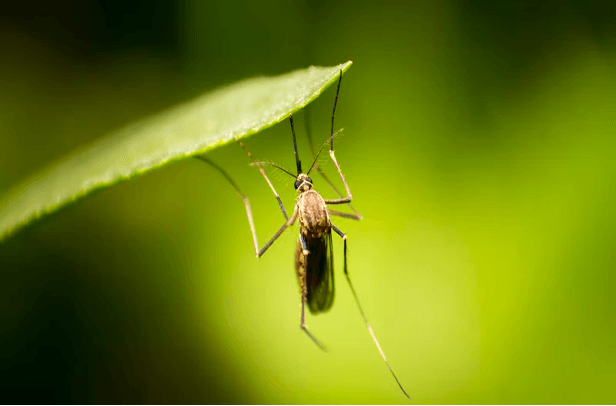
Common Spiders Found in Homes and Businesses
Several spider types may enter buildings. Accurate identification matters because behaviour, preferred shelter, and treatment needs can change.
- House spider: A house spider often creates webs in undisturbed corners, around windows, in garages, and near ceilings. It feeds on small insects and may remain unnoticed until webs gather dust.
- Cellar spider: A cellar spider has long, thin legs and commonly appears in basements, crawl spaces, storage rooms, and other rarely used areas. It prefers locations with moisture and limited disturbance.
- Wolf spider: A wolf spider does not rely on a regular web to catch prey. It may enter through gaps at ground level, move through garages, or hide beneath stored items. Its size can make a single sighting startling, even when the spider is not part of a substantial indoor population.
- Black widow spider: A black widow spider requires careful handling. It may shelter in dark, undisturbed spaces such as outdoor storage areas, sheds, crawl spaces, or material piles. Do not handle an unfamiliar spider. A professional should evaluate suspected sightings.
Not every spider requires chemical treatment. A pest inspection can determine whether the priority is web and egg sac removal, insect reduction, exclusion methods, moisture control, or a combination of steps.
Indicators You May Need Spider Control
One spider near an open door does not always mean you have an infestation. Repeated signs should not be ignored, especially when they appear in several rooms or around the exterior.
- Spider webs: New webs forming soon after cleaning suggest active spiders. Pay attention to webs around windows, light fixtures, eaves, storage areas, and foundation walls.
- Egg sacs: Egg sacs can hold many young spiders. Finding them in corners, boxes, under shelving, or around outdoor fixtures shows that spiders are using the property as a hiding place.
- Seeing spiders: Regular sightings during the day or night may indicate multiple harbourage areas. A sudden increase can follow changes in weather, lighting, moisture, or insect activity.
- Insect activity: Spiders need prey. Flies, moths, ants, and other insects around lights, garbage areas, windows, or drains can support repeated spider activity.
Record where you see spiders and when the sightings occur. Avoid disturbing suspected black widow spider activity. Photos taken from a safe distance can help a technician with species identification.

Our Spider Management Process
A reputable service should outline what will happen before treatment begins. The process usually brings together inspection, physical removal, targeted treatment, and prevention work.
The first step is a careful property inspection. The technician checks indoor rooms, exterior walls, foundations, storage areas, crawl spaces, and other important locations. The inspection helps identify spider species, food sources, moisture, and structural openings.
Next comes web removal. Removing spider webs and egg sacs reduces visible activity and removes places where spiders may shelter or reproduce. Cleaning alone will not resolve an entry point or insect source, so the technician also assesses the conditions that support the problem.
Targeted treatment is selected for the areas that need it. Depending on the site, this may include a residual insecticide, crack and crevice treatment, foundation treatment, or a perimeter spray. Treatment should cover likely travel routes and harbourage areas rather than broad, unnecessary application.
Entry-point sealing forms part of ongoing control. Gaps around doors, windows, pipes, vents, and utility lines can allow spiders and insects indoors. A service provider may suggest sealing work or coordinate exclusion work with building maintenance staff.
Inspection and Spider Identification
Identification helps shape the service plan. A pest control technician considers the spider species, the number of sightings, the location of webs, and the building conditions. A house spider in a dry living room may require a different response from a wolf spider entering through a foundation gap.
The inspection should cover harbourage areas such as stored boxes, wall voids, basements, crawl spaces, sheds, shelving, and undisturbed exterior materials. Moisture sources may include leaking plumbing, condensation, poor drainage, damp foundations, or overwatered areas near the structure.
Structural gaps also matter. The technician may check door thresholds, window frames, vents, siding joints, utility penetrations, and cracks in foundation walls. These findings help shape a plan for indoor spider control and outdoor spider control.
Control for Indoor and Outdoor Areas
Treatment indoors should remain focused. A residual insecticide may be applied to approved surfaces where spiders travel or shelter. Crack and crevice treatment can address narrow gaps around trim, utility gaps, wall trim, and other covered spaces when the product label approves that use.
Exterior treatment may include the foundation border, door surrounds, window trim, roof edges, storage areas, and outdoor lights. Outdoor lighting attracts flying pests, which can then attract spiders. A foundation application or perimeter application may lower activity along usual entry paths.
Pest professionals should protect food items, plates, play items, pet items, and personal belongings before applying products. Do not assume that more product means better control. Proper placement, site preparation, and the right timing matter more than excessive application.
Prevention and Follow-Up Visits
Preventing spiders works best as an continued plan. Scheduled service may help properties with repeated outdoor spider activity, bright exterior lighting, moisture problems, or regular insect activity. The right prevention frequency depends on the structure, season, site conditions, and results from treatment.
Regular monitoring allows a technician to check whether activity is declining and whether new ways inside or available prey have appeared. A return visit may include another inspection, removing webs, adjustments to treatment areas, and recommendations for repairs.
Exclusion service supports continued control. Closing gaps, repairing screens, helping water drain away, and reducing exterior clutter can make the property less suitable for spiders. These steps work alongside safe pest service rather than serving as a substitute for inspection and treatment.
Spider Control for Homes
Residential pest control should account for the way your household uses each space. Basements may have moisture and dim storage areas. Garages often contain unsecured doors, boxes, tools, and materials that provide shelter. Attics can offer undisturbed corners and access through roof or vent gaps.
Windows and doors need careful inspection. Damaged screens, worn weatherstripping, and gaps beneath doors can allow spiders and their prey to enter. A technician may advise repairs, door sweeps, or improved sealing after identifying the route.
Indoor spider control can include removing or removing webs, reducing insect activity, treating selected cracks, and addressing moisture. Crawl spaces may need extra care because poor ventilation and damp conditions can encourage both insects and spiders.
Get ready for service by clearing access to walls, corners, storage areas, and utility spaces. Follow all preparation and re-entry instructions. Keep children and pets away from treated areas until the technician confirms that they can safely return.
Commercial Spider Control for Businesses
Business properties often have more entry points and extra sources of insect activity than a typical home. Doors may be opened often, loading areas may remain busy, and exterior lighting may operate for long periods. Commercial pest control must address these conditions without disrupting customers or staff.
Retail spaces need clean, presentable entrances and aisles. Webs around signs, doors, windows, and displays can influence customer confidence. Warehouses may require inspection around pallets, racking, dock doors, stored materials, and rarely accessed corners.
A commercial pest control plan should record service areas, treatment details, findings, and follow-up recommendations. The work must match the property’s health and safety standards, operating schedule, and internal procedures.
Businesses should report sightings promptly. Staff can note the location, time, and nearby conditions without touching the spider or disturbing a web. Early reporting may limit the amount of treatment needed and help identify a recurring entry route.
Preventing Spiders from Reappearing
Minor improvements to your building can reduce entry points and food sources. Start with these simple steps:
- Replace or repair door sweeps so gaps under outside doors do not leave an entry point.
- Examine window screens for rips, loose sections, and gaps around frames.
- Move exterior lighting away from doors where possible, or use fixtures and settings that reduce insect attraction.
- Practise clutter reduction in basements, garages, storage rooms, sheds, and areas beside the foundation.
- Take down webs on a regular basis, while not touching spiders or egg sacs.
- Repair leaks, correct drainage problems, and address damp conditions through moisture control.
- Store waste containers closed and maintain sanitation around food, recycling, and storage areas.
- Trim vegetation that touches the structure and reduce sheltered spaces beside exterior walls.
These steps support spider prevention services and professional treatment. They do not replace a pest inspection when sightings keep occurring or when look at more info a potentially dangerous species is suspected.
Careful, Responsible Spider Treatments
Responsible treatment begins with site assessment and product selection. Integrated pest management brings together inspection, sanitation, physical removal, exclusion, monitoring, and carefully chosen products. This reduces reliance on unnecessary applications.
Every product must be used according to product label directions. The label sets out approved areas, application limits, preparation requirements, and safety measures. A technician should explain what needs to be removed or covered before treatment.
Keep children and pets away from application areas during service. Fish tanks, pet dishes, toys, food, and medication should receive proper protection. Re-entry instructions may vary based on the product, location, ventilation, and application method. Wait until the technician confirms that the area is ready for use.
Avoid sweeping, washing, or covering treated surfaces unless instructed. Ask for guidance about ventilation, treated rooms, outdoor access, and future visits. A clear plan helps your household or staff carry out the safety steps correctly.
Common Questions About Spider Control
How can I stop spiders from entering my Woodstock home?
Seal gaps around windows, doors, vents, pipes, and foundation openings. Install door sweeps, repair window screens, reduce clutter, and manage moisture. Keep exterior lighting from drawing insects directly to entrances. If spiders continue to appear, arrange a property inspection to find hidden entry points and harbourage areas.
What types of spiders are common in Woodstock?
House spiders, cellar spiders, and wolf spiders are often found around buildings. A black widow spider may occur in dark, sheltered areas and should not be handled. Identification can be difficult from a quick sighting, so use a clear photo from a safe distance or ask a pest control technician to identify the spider.
Are spiders in Woodstock dangerous?
Most spiders found around homes and businesses do not pose a serious threat to people. Some bites can still cause pain or irritation, and suspected black widow spider activity calls for care. Do not pick up, crush, or trap an unfamiliar spider with your hands. Professional assessment is the safer choice when sightings are repeated or the spider has noticeable markings.
How much does spider control cost in Woodstock?
Treatment costs depend on the size and type of property, the level of activity, the locations involved, access conditions, the treatment method, and whether follow-up visits or exclusion work are needed. A one-time service for limited activity may differ from a prevention plan for recurring spider activity. Request an inspection and written service details before authorizing treatment.
When should I call a spider control professional?
Call when you see spiders regularly, find several webs or egg sacs, notice activity in multiple areas, or continue seeing spiders after cleaning. Professional help is also appropriate when a suspected black widow spider is present, when spiders enter through structural gaps, or when the issue affects a business. Early service can identify insect sources and entry points before the problem becomes more difficult to manage.
Report this page